

 86-0576-81122860
In-depth Analysis of Plastic Injection Crate Mold: The Hidden Core Equipment of Industrial Logist
栏目:MOULD BLOG 发布时间:2026-04-30
In modern logistics warehouses, industrial production, fresh food transportation, and e-commerce delivery, plastic turnover boxes are indispensable basic packaging containers. Lightweight, durable, stackable, and moisture-proof, they play a crucial role in storage, handling, and sorting. Every high-quality, durable plastic turnover box relies on a set of high-precision, high-performance plastic injection crate mold.
While turnover boxes may seem simple, the technical requirements for plastic injection crate mold are extremely high. The design, material selection, and processing precision of the plastic injection crate mold directly determine the quality, lifespan, and production efficiency of the turnover box, and also greatly influence the cost and quality of the entire logistics packaging industry. Today, we will delve into the analysis of plastic injection crate mold, unveiling the mystery of this hidden core equipment in industrial logistics.
-
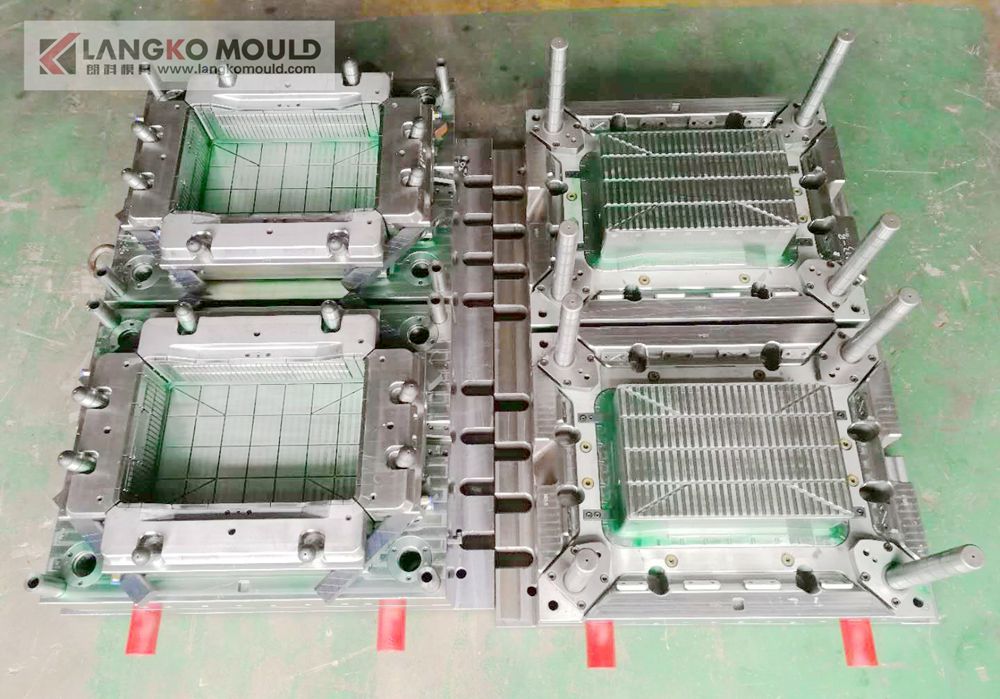
Plastic turnover boxes are produced using injection molding technology. The plastic injection crate mold is the core tool for forming the shape and internal structure. Molten plastic is injected into the mold cavity; after pressure holding, cooling, mold opening, and ejection, a complete turnover box is formed. The plastic injection crate mold must precisely form uniform wall thickness, robust reinforcing ribs, standard stacking latches, and comfortable handles. It must also be able to withstand hundreds of thousands, even millions, of mold opening and closing cycles while maintaining stable production. This is the main difference between plastic injection crate mold and ordinary molds.
-
High-quality plastic injection crate mold are not simply cavity replications. They integrate structural mechanics, cooling technology, and ejection systems. Key design considerations for plastic injection crate mold include: cavity structure and parting line design, efficient cooling system, and stable demolding and ejection.
-
Mold Material: Plastic injection crate mold need to operate under long-term high temperature, high pressure, and frequent opening and closing conditions, therefore material selection is crucial. Cavity and Core of plastic injection crate mold: Commonly used materials are 718H, NAK80, P20, and S136—high hardness, wear-resistant, and polishable.
-
Plastic injection crate mold Manufacturing Process: Plastic injection crate mold are manufactured using high-precision equipment: CNC machining, five-axis milling, EDM, wire cutting, fine polishing, and precision assembly. Mold flow analysis is performed beforehand to simulate filling, cooling, and warpage processes of plastic injection crate mold, avoiding defects and reducing the number of tests.
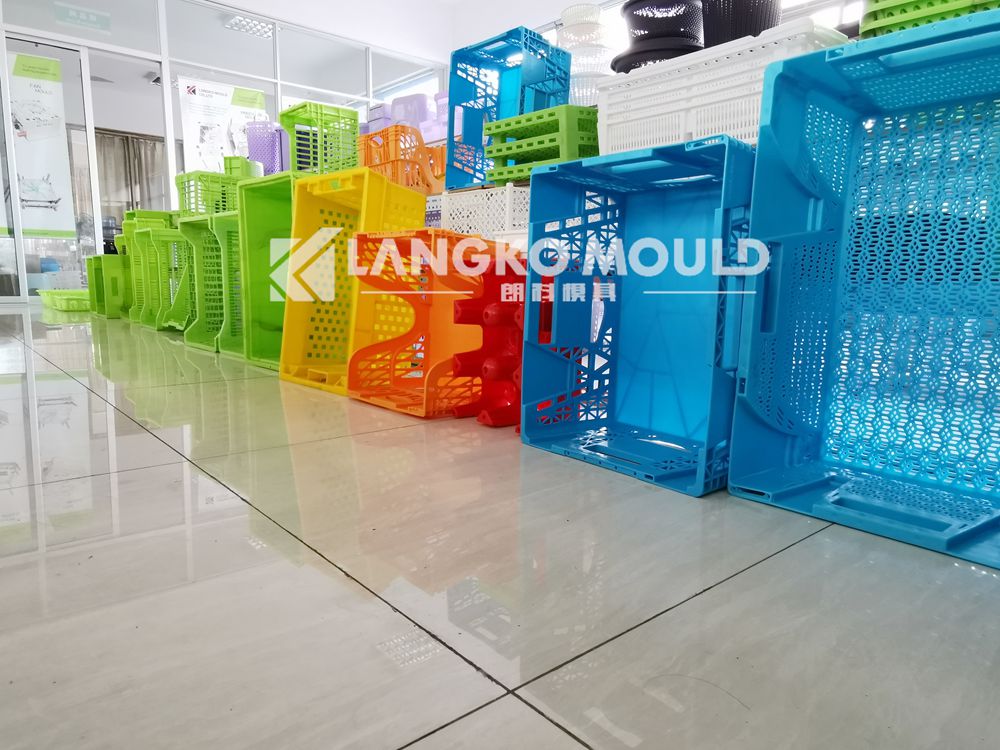
Langko Mould produces 100-200 sets of plastic injection crate mold annually. If you are interested, please feel free to contact us.
Contact Person: Grace
Next:Nothing
 |
 |

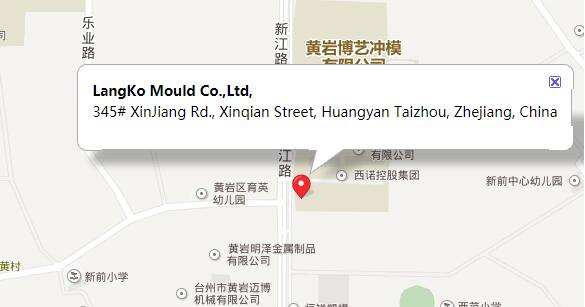
TaiZhou HuangYan LangKo Mould Co.,Ltd,  345# XinJiang Rd., Xinqian Street, Huangyan Taizhou
86-0576-81122860 mould@langkomould.com |
 |
Copyright © LangKo Mould 2021. All rights reserved.